2-Night Mini Cruise from Liverpool: What to Expect
A 2-night mini cruise from Liverpool sits neatly between a weekend break and a full holiday, giving travellers a chance to sample life at sea without using much annual leave. It matters because not everyone wants a seven-night itinerary, a flight, or weeks of planning. From the waterfront departure to the first evening onboard, the trip offers convenience, novelty, and a surprisingly relaxed pace. This guide breaks down the outline, costs, routines, and practical details so you can decide whether this short sailing suits your style.
Article outline:
- Why a short cruise from Liverpool appeals to first-timers and busy travellers
- What embarkation day, the first night, and disembarkation usually feel like
- How cabins, dining, entertainment, and extras compare on a two-night trip
- Which itineraries, weather patterns, and seasonal factors shape the experience
- How to budget, pack smartly, and decide whether this type of break is right for you
Why a 2-Night Mini Cruise from Liverpool Appeals to So Many Travellers
A 2-night mini cruise from Liverpool has a very specific charm. It is short enough to feel manageable, but long enough to feel different from an ordinary night away. For many people, that balance is the whole point. A week-long cruise can demand more money, more luggage, more planning, and more confidence. By contrast, a two-night trip lowers the barrier. If you have ever wondered whether you would enjoy ship life, this is one of the easiest ways to find out without turning your calendar upside down.
Liverpool itself adds to the appeal. Departing from a major waterfront city gives the trip an immediate sense of occasion. The area around the cruise terminal is closely linked with the city’s maritime identity, and that means the holiday begins before the ship even leaves the Mersey. For travellers arriving by rail, Liverpool Lime Street is reasonably accessible, and many visitors can combine the cruise with a few pre-boarding hours in the city. Compared with ports that require a long motorway drive or an overnight hotel stay, Liverpool can feel refreshingly direct.
This format also compares well with two common alternatives: a city break and a ferry-based short trip. A city break gives flexibility, but you still need to choose restaurants, transport, and activities. A cruise packages much of that together. A ferry crossing can get you from one place to another, but it is mainly transport. A mini cruise is closer to an experience. You are not simply moving across the water; you are settling into a floating hotel with entertainment, dining, and public spaces designed for leisure.
Typical travellers who find this option attractive include:
- First-time cruisers who want a low-risk introduction
- Couples looking for a quick celebratory escape
- Friends who want a sociable weekend without complex planning
- Local or regional travellers who prefer to avoid flying
- Busy workers who only have a short gap in their schedule
There is also a psychological advantage to short cruising. Because the trip is brief, people tend to relax into it more quickly. There is less pressure to create the perfect holiday and less concern about whether every pound spent will be justified over a longer stay. You can board, explore, eat well, watch the sunset fade over the water, and wake up already in the middle of the experience. In that sense, a mini cruise is a little like opening the first chapter of a much longer story. It does not try to do everything. It simply shows you enough to make the sea feel inviting.
Embarkation, Onboard Rhythm, and What the Journey Usually Feels Like
One of the most useful things to understand about a 2-night mini cruise is that the schedule moves quickly. There is no slow first day where you casually unpack and think you will get around to exploring later. On a short sailing, later arrives almost immediately. That is why embarkation day matters. Most cruise lines assign guests an arrival window, and passengers are usually asked to reach the terminal a few hours before departure. Check-in procedures vary by operator and itinerary, but you can generally expect document checks, security screening, and luggage handling before you board.
Once onboard, the rhythm is easy to recognise. Cabins may not be ready the moment you step onto the ship, so many travellers head first to an open deck, buffet venue, or lounge. This is when the trip starts to click. The city skyline sits behind you, the ship hums softly underfoot, and what began as logistics turns into atmosphere. There is normally a mandatory safety drill before sailing, either in person or partly via the cruise line’s app and cabin television system, depending on the ship.
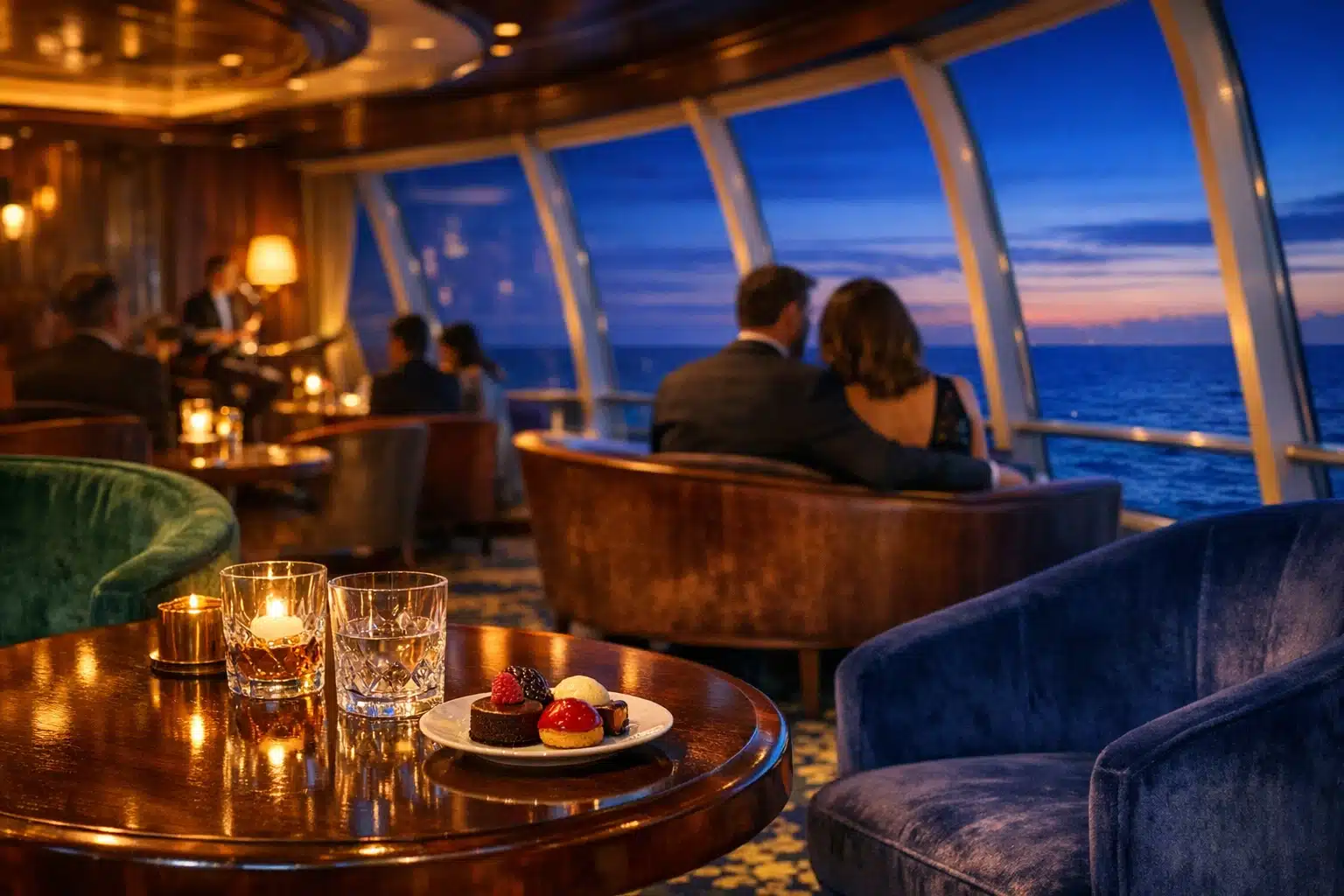
After departure, the first evening often becomes the emotional high point of the trip. People wander the decks, photograph the views, and test the onboard spaces as if learning the layout of a compact town. Dinner follows, then a show, live music, quiz, bar set, or simply a long conversation over dessert. On a mini cruise, that first night carries the energy that a longer cruise might spread across several days. There is a sense that everyone knows the clock is ticking, so the ship can feel lively and focused.
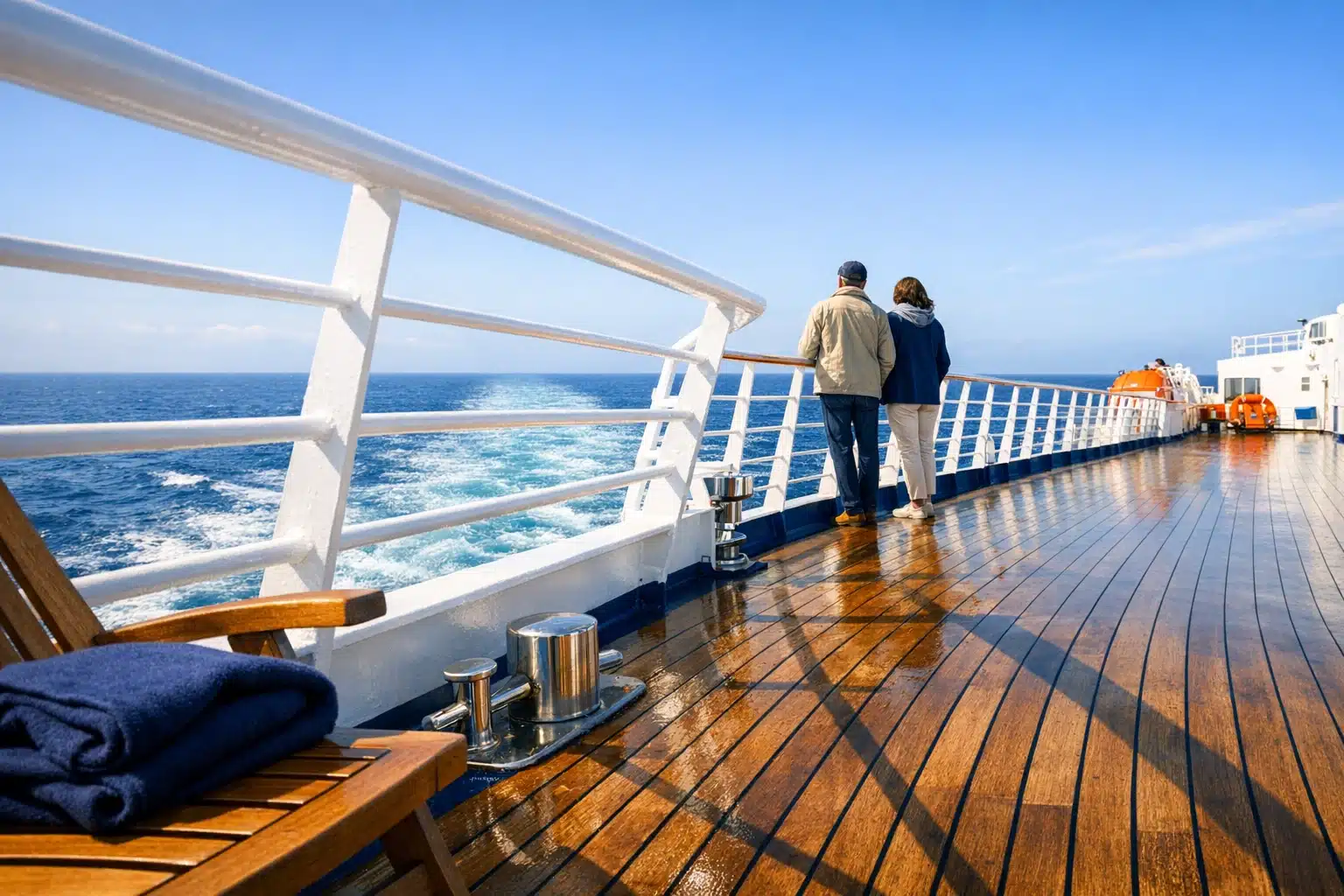
The second day depends on the itinerary. Some mini cruises include a port call, while others are more about enjoying the ship itself. If there is a stop, you may have only part of the day ashore, so realistic expectations help. This is not the same as spending three full days in a destination. If it is a sea-focused itinerary, treat the ship as the destination and use the time well. You might choose a late breakfast, a quiet lounge seat, a spa visit, or a deck walk with the wind coming off the Irish Sea.
Disembarkation is usually straightforward but early. That surprises some first-timers. A short cruise can end with the same efficiency with which it began, so it helps to organise your packing the night before and know your luggage or walk-off arrangements. In practical terms, the whole journey often feels like this:
- Board and orient yourself quickly
- Enjoy the sail-away atmosphere
- Make the first evening count
- Use the next day with intention rather than drift
- Prepare for a prompt exit on the final morning
If you understand that pace in advance, the experience becomes much smoother. A mini cruise is not rushed exactly, but it is concentrated. Think espresso rather than a pot of coffee: shorter, stronger, and best appreciated when you know what is coming.
Cabins, Dining, Entertainment, and the Real Value of a Short Cruise
Because the trip lasts only two nights, value on a Liverpool mini cruise depends less on quantity and more on how well the essentials match your style. The biggest decisions usually involve cabin type, dining habits, and whether paid extras are worth it. For many travellers, this is where expectations need a small adjustment. A short cruise is not about squeezing in every add-on. It is about choosing the parts that will actually improve the experience.
Cabin choice is a good example. An inside cabin is often the most economical option and can make sense if you plan to spend most of your time in bars, lounges, restaurants, and on deck. Ocean-view cabins add natural light, which some people find useful on a short itinerary because it helps the room feel less enclosed. Balcony cabins are the most tempting, especially for sail-away moments, but the upgrade is not always essential on a two-night voyage. If your budget is tight, many travellers get better value by keeping the cabin simple and spending selectively elsewhere.
Dining is usually one of the strongest parts of a mini cruise. Main dining rooms and buffet venues are commonly included in the fare, while specialty restaurants cost extra. On a longer voyage, a specialty meal might feel like one indulgence among many. On a 2-night sailing, it can become a central event, so the decision is more noticeable. If you love trying different menus or want a celebration dinner, the extra charge may feel justified. If not, the included options are often more than enough for such a short break.
Entertainment can also be surprisingly varied. Even on a brief itinerary, ships may offer:
- Live music in lounges or bars
- Theatre-style production shows or guest acts
- Pub quizzes, game shows, or trivia events
- Cinema screenings or themed parties
- Fitness classes, spa treatments, and pool access on some ships
Where people sometimes overspend is on drinks packages, Wi-Fi, spa treatments, and impulse purchases. A drinks package may be good value if you know you will use it heavily, but on a two-night trip the maths can be less favourable than on a week-long cruise. Wi-Fi packages are similar. If you can manage with limited access, you may not need a premium plan. Spa appointments can be lovely, but the ship already provides plenty of built-in entertainment without extra cost.
It helps to separate what is usually included from what often costs more:
- Usually included: cabin, standard meals, basic entertainment, use of many public areas
- Often extra: alcoholic drinks, some soft drinks, specialty dining, spa services, gratuities on certain lines, excursions, premium Wi-Fi
The real value of a mini cruise lies in how efficiently it bundles experience. You pay for transport, accommodation, food, and evening entertainment in one package. That is why many travellers compare it not to a full cruise, but to a weekend hotel break with meals and nightlife built in. If viewed through that lens, the numbers often make more sense.
Itineraries, Weather, and the Distinctive Character of Sailing from Liverpool
No two 2-night mini cruises from Liverpool are identical, and the itinerary shapes the mood more than many first-time passengers expect. Some sailings focus on the onboard experience with limited time ashore, while others include a brief call in another port, often depending on the cruise line, season, and operating schedule. Rather than booking purely on the basis of price, it is worth checking whether the trip is essentially a floating short break or a compact destination-led escape. Both can be enjoyable, but they suit different travellers.
Liverpool departures have one huge advantage: the setting. The city’s waterfront gives a memorable start, and even before the sea opens up, the journey carries a sense of maritime theatre. Looking back at the skyline as the ship eases away can be one of the most cinematic parts of the whole trip. If you enjoy travel for its atmosphere as much as its logistics, this matters. The departure feels like an event rather than a transfer.
Weather is another major factor. Sailings from Liverpool often involve Irish Sea conditions, and that means you should not expect the same climate or water feel as a Mediterranean cruise. Even in warmer months, decks can be breezy, and evenings may require layers. In spring and autumn, wind and drizzle are not unusual. That does not ruin the experience, but it changes how you pack and plan. Indoor lounges, bars, and observation spaces become more important, and a waterproof jacket is often more practical than a purely stylish coat.
Seasonal differences can shape the trip in clear ways:
- Spring: cooler air, fresh light, fewer peak-season crowds on some sailings
- Summer: longer daylight, potentially busier ships, better deck time if the weather behaves
- Autumn: atmospheric skies, chillier evenings, and a more cosy onboard mood
- Winter: fewer suitable departures depending on the line, with conditions that may feel rougher to some travellers
If you are prone to motion sensitivity, this is worth planning for. Short cruises do not automatically mean calm seas. In fact, because the itinerary is brief, any uncomfortable patch can feel more noticeable. Simple preparation can help, such as choosing a lower and more central cabin location if available, bringing remedies approved for you, and avoiding the mistake of travelling unprepared because the cruise is short.
Itinerary comparisons also matter. A ship-focused mini cruise is best for travellers who want to test cruising, enjoy food and entertainment, or celebrate without too much structure. A port-call version suits people who want the added pleasure of waking up with somewhere new to explore, even if only for a few hours. Neither is inherently better. One gives you more time to understand the ship; the other adds that lovely travel thrill of stepping ashore somewhere different before returning to your cabin later. From Liverpool, both styles carry the same basic promise: a compact voyage with a strong sense of departure and return.
Who Should Book One, How to Budget, and Final Thoughts for First-Time Planners
If you are considering a 2-night mini cruise from Liverpool, the smartest question is not simply “Is it good?” but “Is it good for me?” This type of trip works best for travellers who value ease, novelty, and a self-contained break. It is especially well suited to first-timers, couples celebrating something small but meaningful, friends wanting a sociable escape, and people who live within easy reach of Liverpool or can arrive there without too much effort. It also suits anyone curious about cruise life but unwilling to commit major money or holiday time before testing the waters.
On the other hand, it may not be ideal for everyone. If your favourite kind of travel involves deep exploration of a destination, long museum days, countryside wandering, or total quiet, a mini cruise can feel too compressed. Likewise, travellers who dislike crowds, fixed meal timings, or the possibility of lively evenings may prefer a land-based weekend. The trick is to book it for what it is, not for what a longer cruise or a city holiday might be.
Budgeting is usually straightforward if you think in layers. Start with the base fare, then add only the extras you know you will genuinely use. The final bill often changes because of small decisions rather than one dramatic purchase. Common budget lines include:
- Base fare for the cabin category you choose
- Transport to and from Liverpool
- Parking or pre-cruise accommodation if needed
- Drinks, specialty dining, and gratuities where applicable
- Travel insurance and any document-related costs
- Optional shore spending during a port call
Packing for two nights is blessedly simple, but smart choices still matter. Bring comfortable shoes, a light layer for indoor air-conditioning, a warmer outer layer for the deck, evening wear that matches the line’s dress expectations, medication, chargers, and any travel documents specified by the operator. Resist the urge to pack as if you are leaving for ten days. You are not moving house; you are slipping away for a very short adventure.
For many people, that is the magic of it. A Liverpool mini cruise does not ask for much, yet it delivers a distinct change of scenery. You board in a city with one of Britain’s best-known waterfronts, spend two nights in a moving hotel with food and entertainment close at hand, and step back ashore feeling as though you went farther than the calendar suggests. If you want a low-commitment introduction to cruising, a convenient weekend escape, or a different way to celebrate ordinary life, this kind of sailing is easy to recommend. It is not designed to replace a full holiday. It is designed to make two nights feel bigger than they look on paper, and for the right traveller, it does exactly that.