4-Night Mini Cruise from Belfast to Bruges
A 4-night mini cruise from Belfast to Bruges sits in a sweet spot between a quick escape and a fuller holiday. It gives travellers the change of scene they want without demanding long leave, complex transfers, or a week of planning. For couples, friends, and first-time ferry cruisers, that balance makes it especially relevant. Read on for a practical look at itinerary style, onboard life, budgeting, and what Bruges can realistically offer in a short visit.
Outline and Overview: Why This Short Cruise Break Stands Out
A mini cruise from Belfast to Bruges appeals because it turns the journey itself into part of the holiday. Instead of rushing through airports, timing security queues, and dealing with baggage rules that can make a two-night city break feel oddly stressful, travellers step aboard, settle into a cabin, and begin unwinding almost immediately. That alone explains why these trips remain attractive to people who want a European change of scene without the planning load of a longer itinerary. The sea does something flights rarely do: it gives the trip a gentle opening act.
This article is structured to help readers move from curiosity to clear expectations. The main themes are:
• how a 4-night mini cruise is typically organised
• what life on board is really like compared with a full-scale ocean cruise
• how to use limited time in Bruges wisely
• what costs, cabin choices, and seasonal factors matter most
• which travellers are likely to enjoy the format, and who may prefer another kind of break
That outline matters because “mini cruise” can mean slightly different things depending on the operator and season. Some packages are more ferry-style, focused on transport plus leisure facilities, while others are marketed more like a compact cruise holiday with entertainment, dining options, and excursion choices. In many cases, Bruges itself is not the docking point; the access point is often Zeebrugge, with Bruges reached by transfer or local transport. Knowing that detail helps set realistic expectations and prevents disappointment later.
Compared with a standard flight-and-hotel city break, a Belfast to Bruges mini cruise can offer better simplicity, especially for travellers leaving from Northern Ireland who prefer a local departure. Compared with a longer cruise, though, it is more concentrated, less spacious in schedule, and far more dependent on good time management. The reward is efficiency: one booking can combine transport, accommodation, and a compact cultural visit. For readers considering a short European escape with atmosphere, convenience, and a touch of novelty, that makes this topic worth exploring in depth.
What a Typical 4-Night Belfast to Bruges Mini Cruise Looks Like
A 4-night mini cruise usually unfolds across a tight but manageable rhythm, and understanding that rhythm is essential before booking. In practical terms, “4-night” often means the trip spans parts of five calendar days, depending on departure and arrival times. Travellers normally embark in Belfast, check into their cabin, explore the ship or ferry, and begin the first sailing that same evening. That first night is not just transport time; it is often when the break begins to feel real, with restaurants opening, lounges filling, and passengers getting their first look at the route ahead.
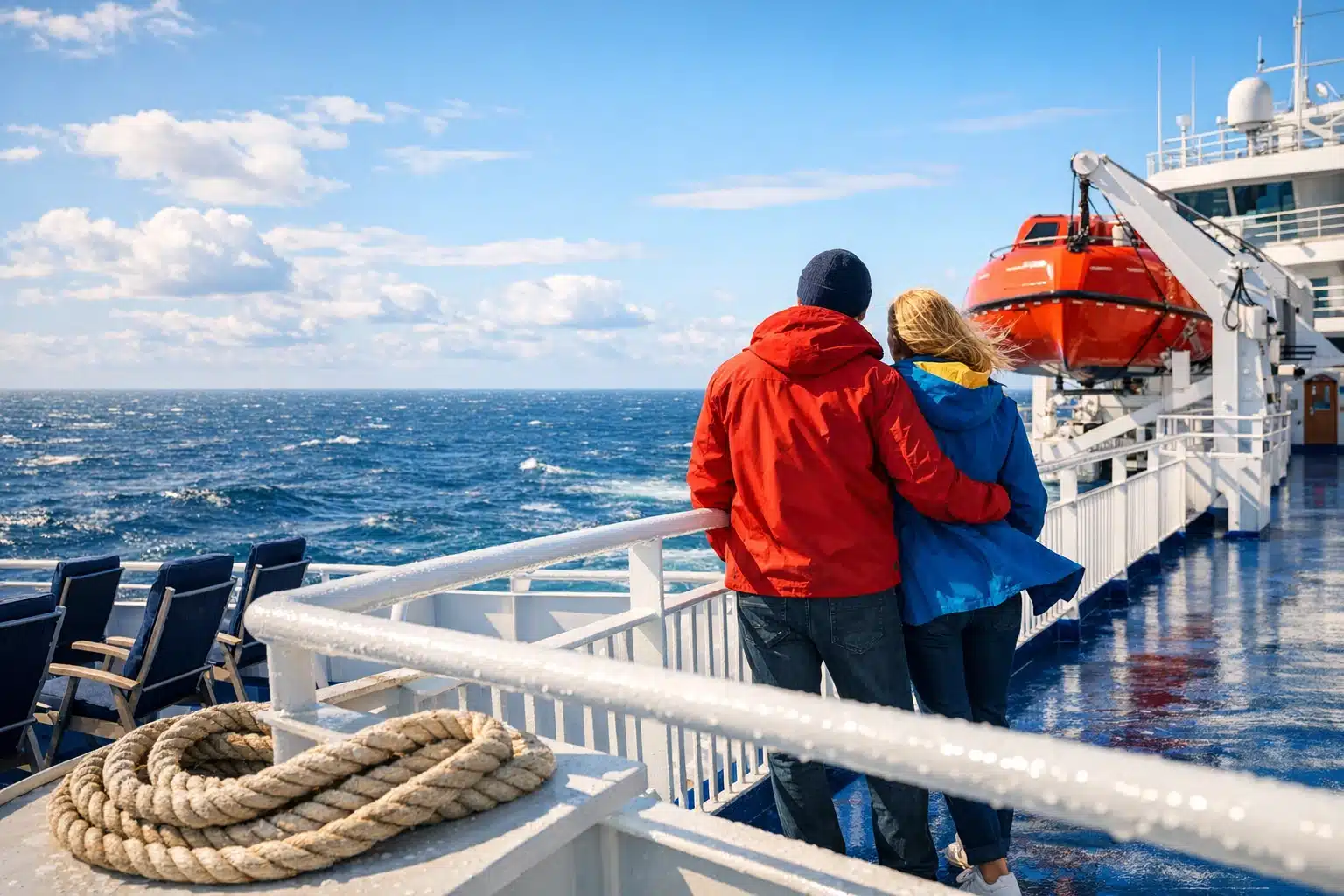
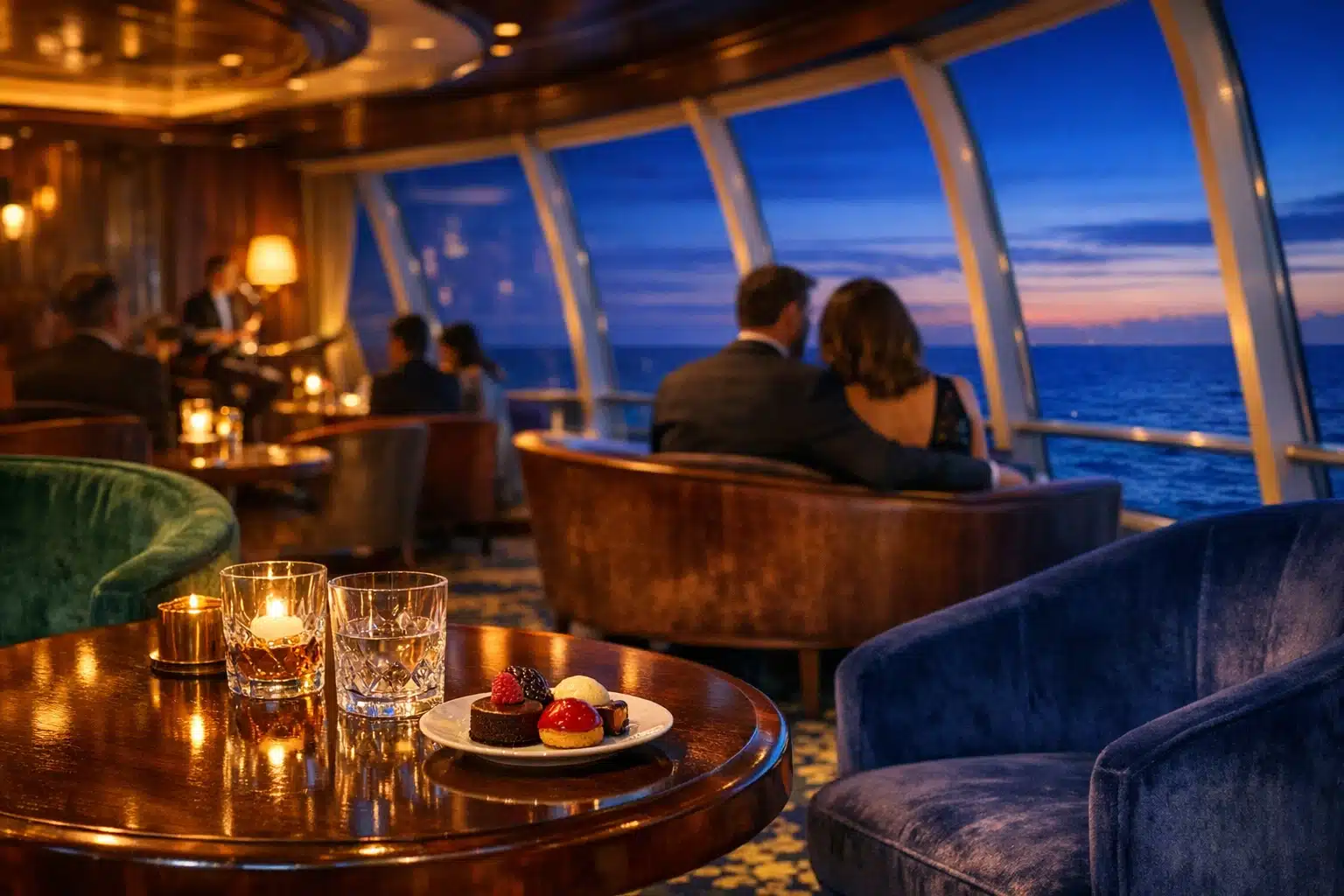
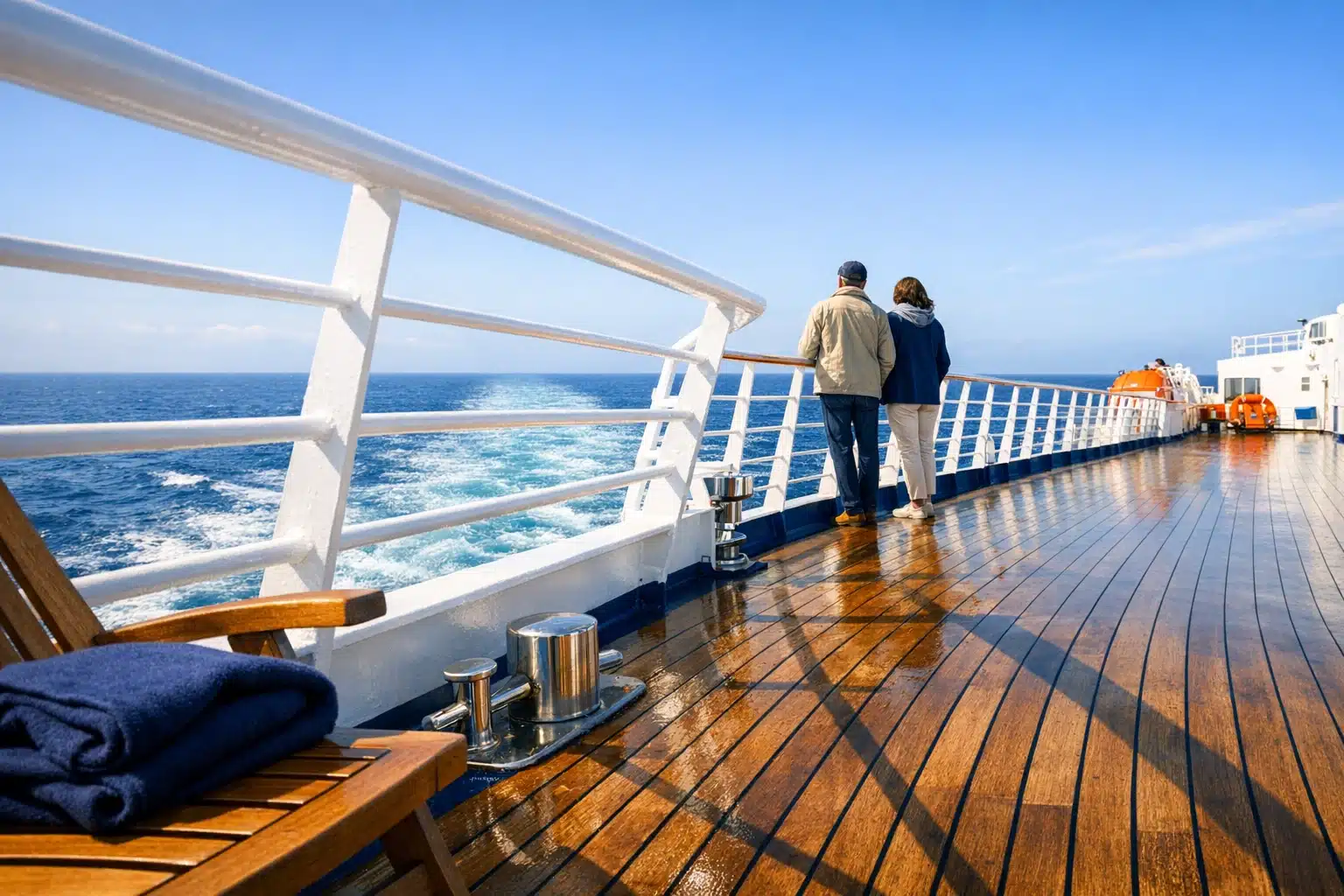
The next stage is usually a sea day or part-day at sea, which can be a pleasant surprise for first-time mini-cruise passengers. Unlike a longer voyage with multiple ports, the focus here is compact: rest, eat, wander, read, watch the horizon, and enjoy simple onboard routines. Depending on the vessel, facilities may include bars, casual dining, shops, entertainment areas, children’s spaces, and upgraded cabin categories. It is worth noting that a mini cruise on this kind of route is usually closer to a cruise-ferry experience than a large ocean liner holiday. That does not make it inferior; it simply means expectations should match the product. Space may be more functional, public areas more practical, and entertainment more modest, but the travel experience can still feel enjoyable and atmospheric.
When the ship reaches the Belgian side of the journey, passengers typically head onward to Bruges, often through an organised transfer from port. Bruges lies roughly 15 km inland from Zeebrugge, so checking how transfers work is important. Some fares include coach transport and a set amount of time in the city, while others leave more to the passenger. A sensible traveller confirms:
• whether transfers are included
• how long the city stop lasts
• whether luggage stays on board or travels with you
• what time you must return for boarding
The return leg tends to feel faster because the structure is familiar. By then, passengers know the ship layout, have adjusted to the cabin, and can spend the final evening more easily. For many people, this routine is the strongest selling point. The holiday is short, but it never feels like a frantic dash from taxi to terminal to hotel. Instead, it has a contained, almost storybook shape: departure, sea, medieval city, sea again, then home.
How to Spend Your Time in Bruges Without Feeling Rushed
Bruges is one of those cities that looks as if it was designed to reward slow walking. Its historic centre, recognised as a UNESCO World Heritage Site, is compact enough to explore on foot yet rich enough to fill far more time than most mini-cruise visitors actually have. That creates the central challenge of a short stop: you cannot see everything, so the smart approach is not to chase completeness but to build a satisfying route. A day in Bruges works best when it blends landmark sights with unstructured wandering.
For many first-time visitors, the obvious starting point is the Markt, the city’s main square, where stepped gabled buildings and the Belfry set the tone immediately. From there, the Burg area, basilicas, canal edges, and cobbled side streets reveal why Bruges has such a lasting reputation. The city is visually distinctive without needing spectacle. You notice details rather than grand scale: stone bridges, quiet courtyards, reflected facades, shop windows filled with chocolate, and church towers that seem to appear and disappear as lanes twist away from the crowds.
If time is limited, priorities help:
• walk through Markt and Burg
• choose one signature activity, such as a canal boat trip or climbing the Belfry if available and queues permit
• stop for a proper lunch rather than grazing all day
• leave time for a slower final hour, because Bruges is often best appreciated between attractions
Bruges also compares interestingly with other short-break destinations in Belgium. Brussels offers more urban variety and major institutions, while Ghent often feels younger and more lived-in. Bruges, by contrast, is the city people choose for atmosphere. That is its greatest advantage on a mini cruise. You do not need to master a complicated transport system or cross large distances to feel that you have arrived somewhere memorable. Within a few streets, the city makes its case.
Food and drink can be part of that experience, but it is wise to keep expectations realistic. Bruges has excellent spots for Belgian beer, fries, waffles, and chocolate, yet the best stop is not always the most famous one near the busiest square. A slightly quieter side street often delivers a calmer meal and better value. If you enjoy museums, lace, art, or church architecture, plan one cultural stop rather than three. On a mini cruise, Bruges rewards selectiveness. The goal is not to tick every item off a list; it is to come away feeling that the city had time to speak in its own voice.
Budget, Cabins, Packing, and Booking Decisions That Shape the Trip
The difference between a good-value mini cruise and a disappointing one often comes down to practical details. On the surface, a 4-night Belfast to Bruges break can look straightforward: book, board, and go. In reality, the overall cost and comfort level depend on several choices, especially cabin type, dining plans, transfer arrangements, and travel season. An inside cabin usually costs less than an outside cabin with a window or sea view, and for a short break that trade-off can make sense. If you plan to spend most of your time in public areas and use the cabin mainly for sleep and showers, the cheaper option may be perfectly adequate. If you value natural light, quiet downtime, or a more spacious feel, upgrading may be worth it.
Dining deserves the same kind of attention. Some packages include meals, while others leave food as an extra onboard expense. That can significantly alter the value equation. A seemingly low base fare can become less attractive once breakfasts, dinners, drinks, and transfer costs are added. Before paying, check:
• what meals are included
• whether city transfers are part of the package
• whether there are booking fees or cabin supplements
• what documents are required for travel
• the cancellation terms and change policy
Season matters too. Peak holiday dates often mean higher fares and busier public spaces both on board and in Bruges. Shoulder-season sailings can offer a better balance of value and atmosphere, though weather becomes less predictable. Belgium can be damp, cool, and windy outside summer, and port conditions may shape the feel of the trip even when schedules remain intact.
Packing for a mini cruise is less about volume and more about flexibility. Good choices usually include:
• a light waterproof jacket
• comfortable walking shoes for cobbled streets
• a small day bag for Bruges
• layers for breezy deck time
• a plug adapter if needed and a portable charger
• a bank card that works smoothly abroad
Because Belgium uses the euro, travellers from Belfast should also think briefly about spending habits. Card payments are widely accepted, but carrying a small amount of cash can still be useful. Finally, do not overlook motion sensitivity. Short sea crossings are enjoyable for many passengers, but anyone prone to seasickness should prepare in advance rather than react late. Small decisions like these do not sound glamorous, yet they often determine whether the trip feels smooth, expensive, cramped, or unexpectedly easy.
Final Thoughts: Who This Mini Cruise Suits Best and What to Expect
A 4-night mini cruise from Belfast to Bruges is best understood not as a substitute for a full cruise or a deep-dive Belgian holiday, but as a compact hybrid. It suits travellers who enjoy the idea of a short escape with built-in travel atmosphere, modest onboard leisure, and a city visit that feels distinctive rather than rushed by airport logistics. Couples looking for an easy break often find it appealing, as do friends who want a sociable trip with low planning friction. It can also work well for first-time cruise-ferry passengers who want to test the format before committing to something longer.
It may be less suitable for travellers who want maximum time on land, intensely packed sightseeing, or absolute control over every hour. If your ideal break involves arriving early, staying centrally for several nights, and exploring museums, restaurants, and neighbourhoods at your own pace, a flight and hotel in Bruges, Ghent, or Brussels may serve you better. Likewise, if you dislike the possibility of movement at sea or find short-format travel tiring, the novelty of the cruise element may not outweigh the trade-offs.
The strongest reasons to book are easy to summarise:
• departure from Belfast can simplify the start of the holiday
• travel and accommodation are bundled into one experience
• Bruges is visually rewarding even on a short visit
• the trip feels different from a standard city break
The main cautions are just as clear:
• time in Bruges can be limited
• onboard facilities vary by vessel and operator
• extras can change the final price
• the experience depends heavily on expectations and organisation
For the right traveller, though, that balance is exactly the charm. This is a good option for people who want a manageable European getaway with a sense of occasion, especially if they enjoy watching a destination arrive gradually rather than all at once through an aircraft window. If you are based in or near Belfast, appreciate historic cities, and like the idea of a holiday where the sea is part of the memory rather than just the route, this mini cruise deserves serious consideration. Go into it expecting a short, stylish, well-contained break rather than a grand voyage, and it is far more likely to deliver what you hoped for.