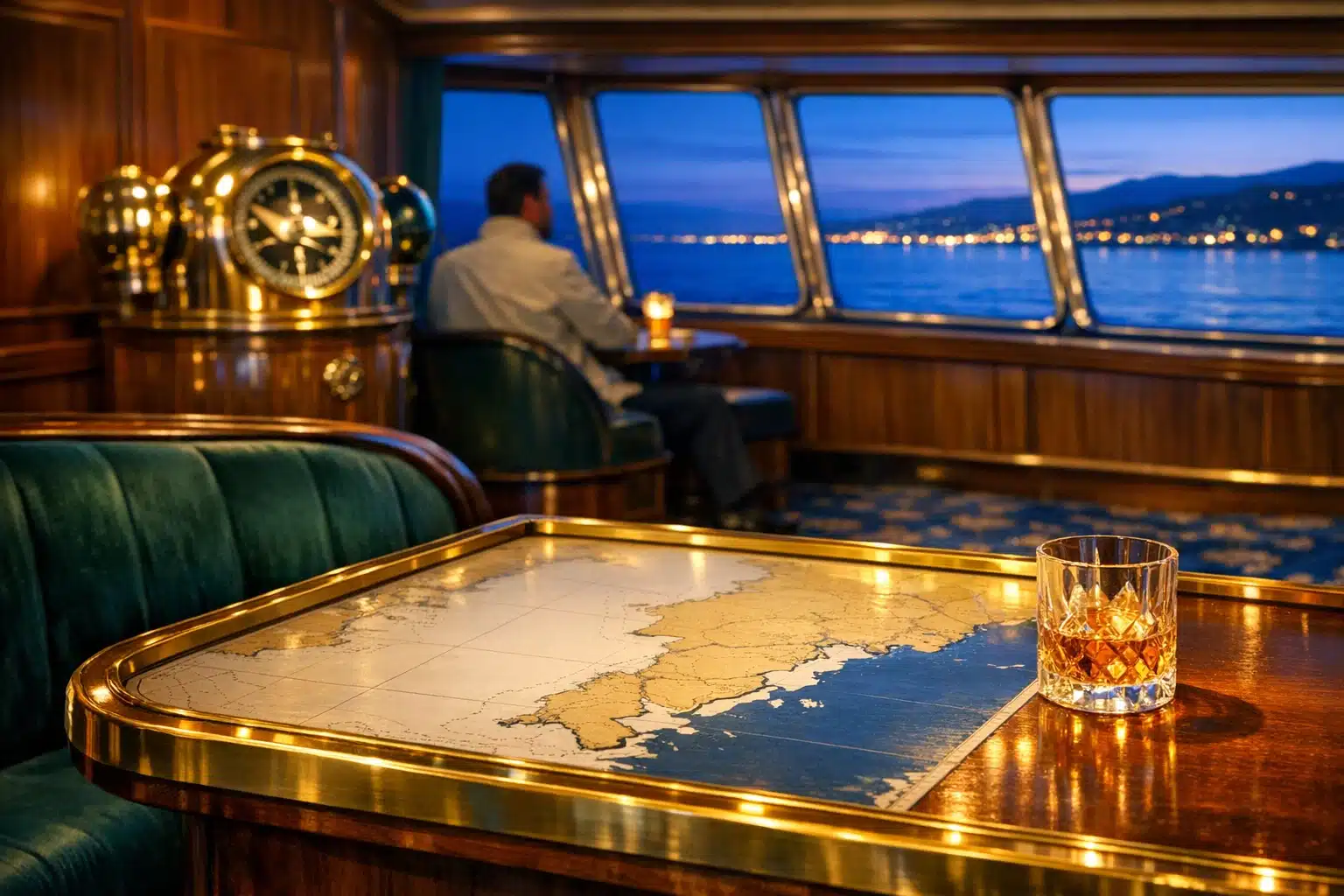
 Artificially generated image
 Singles Cruises Designed for Adults 50+
For many adults over 50, travel is no longer about rushing through landmarks or filling every hour. It is about comfort, good company, and the quiet thrill of waking up somewhere new without the chore of constant packing. Singles cruises designed for this age group meet that moment with structure, companionship, and freedom. They let independent travelers enjoy new places while still feeling connected to a shared journey.
Why Singles Cruises for Adults 50+ Matter and What This Article Covers
Singles cruises for adults 50+ occupy a useful middle ground in the travel world. They are not simply standard cruises with a few social events attached, and they are not youth-oriented party trips dressed up with softer language. At their best, they are thoughtfully designed experiences for travelers who may be divorced, widowed, never married, newly retired, or simply eager to see the world without waiting for a companion’s schedule to line up. That matters because travel preferences often shift with age. Many people want easier logistics, calmer environments, more comfortable accommodations, and meaningful conversation rather than constant noise. A cruise can answer all of those needs in one format.
The relevance of this topic has grown as more adults over 50 prioritize experiences over possessions. Travel is often high on that list, yet solo planning can feel tiring. A cruise reduces many of the common frictions: one booking covers lodging, transport between destinations, meals, and a framework of activities. Add a singles-oriented structure, and the trip becomes easier to enter socially. You do not have to invent your own network from scratch on day one. There are usually welcome gatherings, shared dining options, hosted excursions, and familiar faces that reappear throughout the voyage.
This article begins with an outline because the subject is broad, and the best decision depends on matching the cruise style to the traveler. The sections that follow look at practical and social considerations side by side.
-
First, it explains what makes a cruise genuinely suitable for solo travelers over 50, including atmosphere, pacing, and group design.
-
Next, it compares ship types, itineraries, and cabin choices, which can shape the trip more than glossy brochures suggest.
-
It also explores onboard life, from dining and activities to safety, privacy, and meeting people without pressure.
-
Finally, it reviews budgeting, booking strategy, and the kind of realistic expectations that lead to a satisfying holiday.
Think of this guide as a map before the ship leaves port. It is meant to help readers see beyond the phrase “singles cruise” and understand the finer details: who these trips serve well, where the value lies, and how to avoid choosing a sailing that looks appealing online but feels mismatched in practice.
What Makes a Singles Cruise for 50+ Different from a Standard Cruise
The phrase “singles cruise” can describe several different formats, and understanding that distinction is essential. Some trips are full-ship charters organized specifically for solo travelers in a certain age bracket. Others are group programs hosted within a regular cruise, where a travel organizer reserves cabins and creates social events for solo guests. A third option is a standard cruise with no formal singles structure at all, but with a demographic that naturally includes many independent travelers over 50. These experiences can feel very different once you are on board.
A well-designed 50+ singles cruise usually places less emphasis on forced matchmaking and more emphasis on shared experiences. That difference matters. Many mature travelers are not looking for theatrical romance programming or high-pressure icebreakers. They want easy conversation, good meals, interesting ports, and the chance to spend time with people in a similar life stage. Social chemistry often develops best when the setting feels natural. A cooking class, guided city walk, lecture, dance lesson, or relaxed dinner table often does more to connect people than a loud themed party.
Ship type changes the experience dramatically. Large ocean ships may carry several thousand guests and offer a wide menu of restaurants, shows, pools, and activity zones. That variety can be appealing for travelers who like choice and entertainment. Smaller ocean vessels and river ships offer a different rhythm. River vessels commonly carry fewer than 200 passengers, which makes it easier to recognize faces, build rapport, and move through the ship without crowds. The tradeoff is that entertainment and dining variety may be more limited, though many travelers see that as a benefit rather than a drawback.
There is also an important distinction between mainstream, premium, and luxury positioning. In broad terms:
-
Mainstream cruises often offer the lowest fares, the largest ships, and the widest age mix.
-
Premium cruises usually provide a calmer atmosphere, more enrichment, and somewhat more inclusive pricing.
-
Luxury cruises tend to include more services in the fare and attract travelers who place a high value on space, service, and smaller-scale social environments.
For adults 50+, the best fit often depends less on status and more on temperament. Some people thrive amid busy decks and nightly entertainment. Others would rather hear the low hum of conversation in a lounge while the coastline slides past like a slow-moving painting. The key is to choose a setting that supports the kind of connection and comfort you actually want, not the version of cruising marketed in the most dramatic way.
Choosing the Right Itinerary, Ship, Cabin, and Booking Style
Selecting the right singles cruise is not only about finding an available departure date. It is about matching the itinerary and ship to your energy level, interests, budget, and social preferences. A seven-night Caribbean sailing, a ten-night Mediterranean trip, an Alaska itinerary, and a river cruise through central Europe may all sound attractive, yet they deliver very different experiences. Ports, weather, excursion style, and time on the ship all shape whether the trip feels restorative or exhausting.
Itinerary should come first. Ask whether you want warm-weather ease, scenery, history, or cultural depth. Caribbean sailings are often simpler logistically and can be ideal for first-time cruisers, but they may attract a broader age mix depending on season and ship size. Alaska tends to appeal to travelers who enjoy scenery, wildlife, and structured excursions. Mediterranean routes often combine rich history with longer sightseeing days, which can be rewarding but more physically demanding. River cruises in Europe often attract an older crowd and create an intimate social setting, though they usually involve more walking on cobblestones and more frequent port days.
Next comes the ship itself. A beautiful itinerary on the wrong ship can undercut the whole trip. Consider:
-
Passenger count and atmosphere
-
Availability of solo cabins or reduced single supplements
-
Dining style, including open seating versus assigned tables
-
Accessibility, elevator access, and walking distances on board
-
Amount of evening entertainment versus daytime enrichment
Cabin choice deserves special attention because solo pricing can be one of the biggest hurdles. The cruise industry still relies heavily on double-occupancy economics, which is why single supplements remain common. Some lines offer dedicated solo cabins, but they are limited in number and often sell quickly. When solo cabins are unavailable, some travelers join hosted singles groups that arrange roommate matching. That can reduce cost, but it is not right for everyone. Privacy, sleep habits, and personal routine matter more on a ship than many people expect.
Booking style also makes a difference. Independent booking gives maximum control and may suit experienced cruisers. A hosted group can be useful for first-timers or for travelers who want built-in social opportunities from the moment they board. Before paying a deposit, read the details carefully. A “singles” label may mean anything from a robust hosted program to a very light-touch meetup schedule. The smartest choice is not necessarily the most glamorous itinerary. It is the one whose pace, social format, and pricing structure line up with the kind of trip you will actually enjoy.
Onboard Social Life, Comfort, Safety, and the Art of Meeting People Naturally
One of the biggest reasons adults 50+ consider singles cruises is simple: they want the trip to feel social without feeling awkward. A good sailing creates that balance by giving conversation room to happen organically. Onboard life can be surprisingly easy once the first-day uncertainty passes. You may begin with a welcome gathering or hosted dinner, but most connections grow later in ordinary spaces: over breakfast before an excursion, while waiting for a trivia game to start, during a scenic sail-in, or in the quiet stretch after a show when people linger with coffee and talk a little longer than planned.
Dining is often central to the experience. Open-seating restaurants, shared tables, and group reservations can help solo travelers avoid the lonely feeling that sometimes shadows independent holidays. Excursions also matter because they provide instant shared context. It is easier to talk with someone after walking through a historic district together or spotting whales from the deck than after being told to “network” in a lounge. In that sense, the ship becomes a floating neighborhood. By the third or fourth day, familiar faces appear naturally, and the social atmosphere often settles into something more relaxed and genuine.
Still, comfort is not only social. Mature travelers are often wise enough to know that personal space is part of a good trip. The best cruises allow both companionship and retreat. Look for ships with varied lounge spaces, quiet corners, libraries, observation areas, or outdoor decks where you can read, think, or simply watch the water. Constant activity is not a virtue if it leaves no room to breathe.
Safety and well-being deserve equal attention. Consider practical issues such as onboard medical services, mobility support, excursion difficulty ratings, and embarkation logistics. If you take regular medication, carry it in your hand luggage and keep a written list. If you value independence in port, understand the ship’s all-aboard time and transport options. If you plan to meet new people, healthy boundaries still matter, just as they do on land.
-
Choose official group meetups over vague invitations from strangers.
-
Share your daily plans with a trusted person at home if traveling alone.
-
Book excursions through reputable providers or the cruise line when uncertainty is high.
-
Balance optimism with common sense, especially in unfamiliar ports.
The goal is not to treat travel as risky by default, but to travel with calm awareness. When the basics are in place, the social side becomes more enjoyable. You are free to be curious, open, and present, which is where the best cruise memories usually begin.
Conclusion for Travelers 50+: Budget Smart, Set Realistic Expectations, and Choose the Cruise That Fits You
If there is one practical truth about singles cruises for adults 50+, it is that the headline fare rarely tells the whole story. Cruise pricing can look straightforward at first glance, but the final cost may include gratuities, excursions, beverage packages, specialty dining, Wi-Fi, port fees, flights, pre-cruise hotels, airport transfers, and travel insurance. For solo travelers, the single supplement can be the most significant variable of all. In some cases, it is modest; in others, it changes the value equation completely. That is why comparing total trip cost matters more than comparing brochure prices.
Budgeting well does not always mean choosing the cheapest cruise. It often means paying for the parts that improve your experience and skipping the extras that do not. A slightly more expensive sailing with a calmer ship, a better demographic match, and a stronger hosted program may offer more real value than a low base fare that leaves you feeling socially adrift. The same logic applies to cabin choice. A small solo cabin can be a smart trade if it avoids a hefty supplement and keeps the overall trip affordable without sacrificing privacy.
Before booking, it helps to ask a short list of honest questions:
-
Do I want a lively schedule or a quieter atmosphere?
-
Am I traveling mainly to meet people, mainly to see destinations, or equally for both?
-
Would I feel better with a hosted singles group or more freedom on my own?
-
How much walking, standing, and transit between ports feels comfortable for me?
-
What total budget feels sensible once every likely expense is included?
For the target audience here, the strongest takeaway is simple: this style of travel can be an excellent fit when chosen with care. It offers companionship without requiring a travel partner, structure without constant rigidity, and a sense of adventure that does not depend on rushing. Whether you are newly exploring solo travel or returning to it after years away, a well-matched cruise can feel refreshingly possible. The right ship will not magically solve every uncertainty, but it can create a generous setting in which comfort, discovery, and connection all have room to grow. And sometimes that is exactly what a good trip should do.