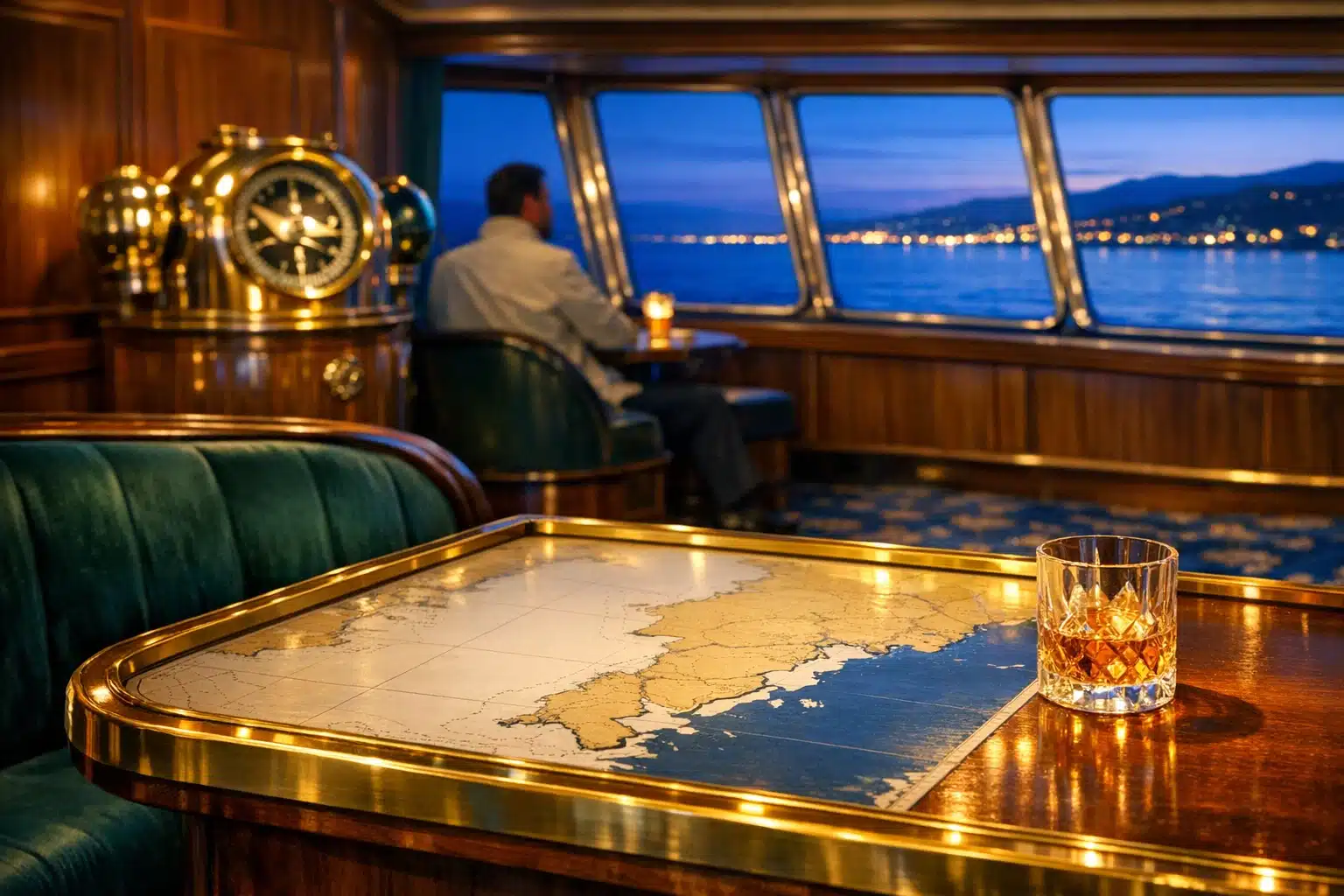
 Artificially generated image
 360-Day Around-the-World Cruise: What to Know Before You Go
A 360-day cruise is not simply a long holiday; it is a compact version of global living, with morning coffee in one hemisphere and dinner plans in another a week later. These voyages attract retirees, milestone travelers, and even some remote workers because they replace constant repacking with one unfolding route. Before the glamour of famous ports takes over, travelers need a grounded look at timing, expenses, onboard routines, and the physical rhythm of nearly a year at sea. Understanding those pieces early makes the dream far more workable.
Outline:
1. What a 360-day around-the-world cruise usually includes and how it differs from shorter world voyages.
2. What the fare really covers, what extra costs appear, and how to compare overall value.
3. How to choose the right ship and cabin when a room must function as home for many months.
4. Which documents, health steps, financial plans, and household arrangements matter before embarkation.
5. What daily life feels like onboard and how to decide whether this style of travel truly suits you.
1. Understanding the Shape of a 360-Day World Cruise
A 360-day around-the-world cruise sits in a category of its own. Standard “world cruises” often range from roughly 100 to 180 days, while this longer version stretches into a full-year commitment that feels closer to a mobile lifestyle than a vacation. Depending on the cruise line, the itinerary may be sold as one continuous voyage or as several linked segments that can be booked together. Either way, the central idea is the same: board once, travel across major oceans, visit multiple continents, and let the ship carry you through a slow, panoramic reading of the planet.
Many extended world itineraries cover tens of thousands of nautical miles and include a blend of marquee ports and less obvious stops. A typical route might touch North America, the Caribbean, South America, Europe, the Middle East, Africa, Asia, Australia or New Zealand, and Pacific islands before returning near the original embarkation point. Seasonal planning is a major reason these sailings look the way they do. Cruise lines generally try to cross the Atlantic, Pacific, and Indian Oceans during safer weather windows, while also reducing time in regions during peak hurricane or cyclone periods. That does not remove weather risk entirely, but it explains why some places are visited in certain months and skipped in others.
Compared with piecing together shorter cruises, one long voyage offers continuity. You keep the same cabin, the same shipboard routine, and the same basic travel rhythm. That stability matters more than many first-time world cruisers expect. There is no repeated airport shuffle, no fresh hotel search every few nights, and no need to relearn a new vessel every few weeks. The tradeoff is reduced flexibility. If you later decide you want three extra weeks in Japan or a month in Italy, the ship will not wait while you improvise.
It also helps to understand the balance between port days and sea days. A yearlong cruise is not 360 days of sightseeing. Depending on the route, a significant share of the trip may be spent at sea, especially during long crossings. For some travelers, that is part of the charm: lectures, reading, quiet decks, long lunches, and the odd pleasure of realizing that the horizon has become familiar. For others, too many consecutive sea days can feel confining. That is why the first planning question is not “Can I afford it?” but “Do I enjoy the pace of ship life enough to live inside it for months?”
2. The Real Cost: Fare, Extras, and Value for Money
The published fare is only the beginning of the financial story, and on a 360-day voyage the difference between the brochure number and the true trip cost can be substantial. Long world cruises often start in the upper five figures per person for more modest cabins and rise into six figures for premium staterooms and suites. Luxury lines can go much higher, especially when they include business-class airfare, hotel stays, private transfers, beverage packages, or bundled shore excursions. The total sounds dramatic at first glance, and in absolute terms it is. Still, it helps to look at the price in daily terms. A fare of 90,000 dollars over 360 days works out to 250 dollars per day before extras, which is expensive for some budgets but surprisingly competitive when compared with hotels, meals, transport, and entertainment purchased separately over a full year of land travel.
That said, not every cruise fare includes the same things. This is where careful comparison matters more than brand loyalty. Two itineraries with similar headline prices can deliver very different value.
Common inclusions often look like this:
• Accommodation and housekeeping
• Main dining venues and many casual meals
• Basic onboard entertainment and enrichment programs
• Access to pools, fitness areas, and public lounges
• Some onboard gratuities on certain lines
Potential extra costs often include:
• Shore excursions, especially private or small-group tours
• Alcoholic drinks and specialty dining on many mainstream lines
• Wi-Fi packages, which add up over many months
• Laundry and dry cleaning
• Visas, vaccinations, medical visits, and travel insurance
• Pre-cruise hotels, flights, and emergency changes to travel plans
Excursions are where budgets can quietly drift. A traveler who books organized tours in every port may spend tens of thousands beyond the cruise fare over the course of a year. On the other hand, a passenger who mixes self-guided days, occasional ship tours, and simple walks near port can control costs much more effectively. There is no universal right approach; the best one depends on mobility, confidence, and destination knowledge.
Value also depends on what kind of traveler you are. If you crave independent, slow time in one country, a world cruise may feel expensive relative to renting an apartment abroad for a season. But if you want transport, lodging, meals, safety infrastructure, and a new destination every few days without constant planning, the bundled nature of cruising becomes easier to justify. The smartest buyers do not ask whether the fare is cheap. They ask whether the package matches their preferred way of moving through the world.
3. Choosing the Right Ship and Cabin for a Year at Sea
On a seven-night cruise, people often tolerate a cabin that is merely “fine.” On a 360-day voyage, “fine” can turn into “Why did I do this to myself?” by month three. Ship and cabin choice shape your comfort more than almost any shore-side decision, because the vessel is not just transport. It is your neighborhood, cafeteria, clinic, walking track, theater, office, and shelter for nearly a year. That reality changes how you should shop.
Start with ship size. Larger ships usually provide more dining venues, more entertainment, bigger fitness centers, and a broader range of public spaces. They may also offer stronger medical facilities and more redundancy in everyday conveniences. Smaller ships, by contrast, tend to feel calmer and more intimate, and they can sometimes access ports that larger vessels cannot reach. The tradeoff is that the social circle becomes more concentrated, venue choice is narrower, and rough seas may feel more noticeable. Neither format is automatically better. A traveler who enjoys variety and anonymity may prefer a large ship; someone who values quieter spaces and repeat interactions may prefer a smaller one.
Cabin category deserves even closer scrutiny. An inside cabin can make financial sense, especially on a voyage this expensive, but many long-term cruisers eventually miss natural light. Oceanview cabins solve that issue at a lower price than balconies, while balcony cabins provide private outdoor space that becomes especially valuable on sea days. Yet balconies are not magic. In hot, windy, or rainy conditions they may be underused, and on some decks they are less private than expected.
Other details matter more than brochures suggest:
• Midship cabins on lower or central decks often feel steadier in rougher water.
• Cabins near elevators are convenient but can be noisier.
• Storage space, drawer design, and closet layout become major quality-of-life factors.
• Access to self-service or nearby laundry can save money and frustration.
• Reliable Wi-Fi matters if you plan to work, stream, or stay closely connected with family.
There is also a psychological side to cabin choice. By month six, your room stops being accommodation and becomes a small floating apartment full of rituals: where shoes go after an excursion, which shelf holds medicines, where you drink tea before sunrise, where you sit when the sea turns silver in bad weather. If your budget allows, prioritize comfort features you will use repeatedly rather than luxury features that only impress on embarkation day. A well-located, practical cabin can make a demanding itinerary feel sustainable, while a poorly chosen one can make even a beautiful route feel cramped and tiring.
4. Planning Before Departure: Documents, Health, Money, and Home Logistics
A yearlong cruise is won or lost long before the gangway photo. The preparation phase is not glamorous, but it is what turns a grand itinerary into a manageable one. The first priority is paperwork. Passports should have ample validity beyond the end of the trip, and many experienced travelers prefer a cushion well beyond the minimum because entry rules can vary by country and change over time. You may also need multiple blank pages, visas for specific regions, digital entry forms, vaccination records, or proof of onward arrangements. Cruise lines usually provide guidance, but the responsibility ultimately remains with the passenger. Missing one document can turn a long-planned port day into a denied boarding problem.
Health planning is equally important. Cruise ships have medical centers, but they are not full hospitals, and long voyages increase the odds of routine health issues simply because of duration. Travelers should discuss extended medication needs with their healthcare providers, request extra prescriptions when allowed, and pack medications in more than one place in case of loss or delay. Insurance deserves careful reading, not a casual glance. Standard travel insurance may not be enough for a high-value, long-duration itinerary, particularly if you want strong medical evacuation coverage, trip interruption protection, or reimbursement for major schedule changes.
Money management deserves a system, not guesswork. Consider foreign transaction fees, card backup options, access to local cash in selected ports, and how to monitor accounts while at sea. If your income, pension, or investment distributions continue during travel, make sure statements, tax documents, and security alerts can reach you securely. Travelers staying away this long also need a plan for what happens at home.
A useful pre-departure checklist often includes:
• Mail forwarding or digital scanning services
• Home insurance review and property monitoring arrangements
• Trusted contacts for emergencies
• Automatic bill payments and account backups
• Cell phone and data strategy for a year abroad
• Copies of passports, cards, prescriptions, and travel contracts stored securely
Then there is the practical art of packing. You are not packing for one climate but for many: tropical humidity, cool sea days, formal evenings if the line still has them, temple visits requiring modest clothing, and comfortable shoes for long walking tours. The best packing advice is usually subtraction, not accumulation. Ships offer laundry, destinations sell basics, and overpacking turns valuable space into clutter. A 360-day cruise rewards travelers who think in systems: capsule wardrobe, labeled pouches, medical kit, charging setup, document folder, and a calm plan for replacing what inevitably runs low. The romantic image of world cruising may begin with the horizon, but the real success story often starts with a spreadsheet.
5. Is a 360-Day Around-the-World Cruise Right for You?
After all the pricing tables, visa notes, and cabin maps, one question remains: what does this trip actually feel like once the novelty settles? Daily life on a yearlong cruise usually becomes a rhythm of alternating intensity and ease. Port days can begin early, with breakfast before sunrise and a full schedule of buses, guides, museums, markets, and long walks. Sea days often swing the other way, slowing into lectures, gym sessions, card games, reading, spa appointments, language classes, and long conversations over lunch. Over time, passengers build routines that feel oddly ordinary. You stop living in “trip mode” and start living in “this is how I live now” mode.
That change can be wonderful. Many travelers love the community that develops on long sailings. You begin recognizing the same walkers on deck each morning, the same couples at trivia, the same pianist in the lounge at dusk. Friendships form gradually rather than theatrically. Yet social life onboard also requires patience. On a voyage this long, minor habits in other people can become disproportionately noticeable, and personality fit matters. People who need lots of solitude should think carefully about whether the ship offers enough quiet corners. People who thrive on familiarity may find the repeated faces comforting.
The biggest mistake new world cruisers make is trying to “win” every port. No one needs to book an excursion every day, eat at every specialty restaurant, attend every show, and photograph every landmark. That pace is not ambitious; it is exhausting. The strongest long-voyage travelers learn to skip things. Sometimes the smartest choice in a famous city is a short walk, a coffee by the waterfront, and an early return to the ship. Pacing is not laziness on a 360-day cruise. It is strategy.
This style of travel tends to suit people who:
• Enjoy structured travel with logistics handled for them
• Like the social atmosphere of ships without needing constant novelty
• Have the financial margin for both the fare and the extras
• Prefer broad exposure to many places rather than deep immersion in one
• Can adapt when weather, ports, or timing change
In summary, a 360-day around-the-world cruise is best for travelers who see the journey itself as the destination. It is not the cheapest way to see the globe, nor the most independent, but it can be one of the most coherent and comfortable ways to experience immense geographic variety in a single year. If you are curious, flexible, medically prepared, and realistic about cost and pace, the idea can move from fantasy to feasible plan. For the right traveler, the appeal is simple and powerful: one unpacking, one long horizon, and a year spent watching the world arrive one port at a time.